Watercolor Pens, Pencils & Paintbrushes: Creative Tools for Art Lovers
Watercolor pens, pencils, and paintbrushes are versatile tools that bring a unique blend of precision and fluidity to any artistic project. Whether you're sketching, journaling, or creating digital art, these tools offer a tactile experience that mimics traditional watercolor painting while allowing for detailed line work and vibrant washes of color. Their ease of use makes them popular among beginners and seasoned artists alike.
What Makes These Tools Special?
Unlike standard colored pencils or markers, watercolor pens and pencils are designed to react with water. This means you can layer colors dry and then blend them with a brush and water for a soft, painterly effect. Paintbrushes come in various sizes and shapes, giving you control over strokes, texture, and coverage. Together, these tools offer a complete system for creating expressive, dynamic artwork.
Why Artists Love Watercolor Pens, Pencils, and Paintbrushes
These tools are especially appealing because they combine the convenience of drawing implements with the fluid beauty of watercolor. You can easily carry them in a sketchbook or travel kit, and they work well on a variety of papers. Their versatility supports both spontaneous sketching and detailed illustration. Whether you're creating a quick study or a finished piece, they adapt to your style and pace.
Perfect for a Wide Range of Projects
From daily journaling to professional illustration, these tools fit seamlessly into many creative workflows. Here are a few common uses:
- Art journals: Add color and texture to your pages with quick watercolor washes and pencil sketches.
- Stationery design: Create custom cards, planners, and calendars with hand-drawn elements.
- Children's book illustrations: Blend soft washes with crisp lines for expressive characters and scenes.
- Art lessons: Teach color theory and brush techniques using a portable, forgiving medium.
How to Use Watercolor Pens and Pencils Effectively
Start by sketching lightly with your pencil or pen. Then, use a damp brush to activate the pigment, blending it into soft gradients or bold strokes. Experiment with layering: apply dry marks, then wet them to see how colors behave. You can also use them like regular colored pencils or pens by leaving the water out for sharper details.
Choosing the Right Paper
The surface you work on makes a big difference. For best results, use watercolor paper or mixed-media paper that can handle moisture without warping. If you're working digitally, high-quality scans of your hand-painted textures can be turned into seamless patterns or backgrounds for digital artwork.
Seamless Patterns: A Creative Extension
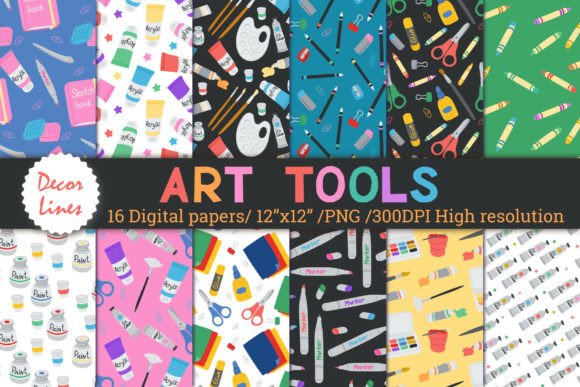
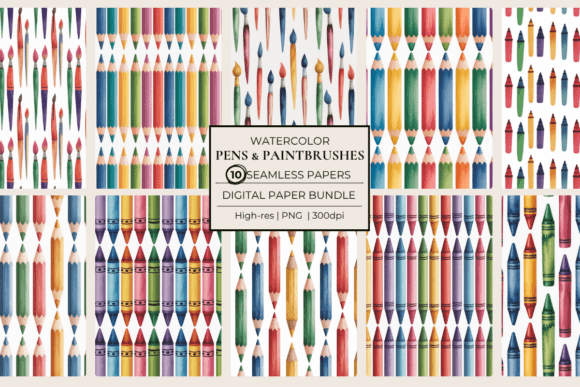
Many artists and designers are now using Watercolor Pens, Pencils Paintbrushes Seamless Papers to create backgrounds that feel organic and handcrafted. These patterns, available as high-resolution 3:4 PNGs, are perfect for:
- Custom planner inserts
- Art-themed branding and packaging
- Invitations and greeting cards
- Classroom decorations and art lesson materials
- Print-on-demand products like stickers and wrapping paper
Why Seamless Papers Matter
Seamless patterns eliminate visible edges, allowing for smooth, continuous backgrounds that can be tiled without interruption. This is especially useful for digital art, web design, and print projects where consistency and flow are key. The hand-painted look of these patterns brings warmth and authenticity to any design.
Ideas for Beginners
If you're new to watercolor pens and pencils, start small. Try drawing a simple still life or color swatches to test blending. Here are a few beginner-friendly projects:
- Create a color wheel using your pens and a wet brush to blend hues.
- Draw a nature sketch, then add watercolor washes to bring it to life.
- Use the pencils to add fine details over a painted background.
- Scan your artwork and use it as a background in a digital journal or blog post.
Professional Uses for Creative Brands
Creative businesses, educators, and freelancers can also benefit from these tools. For example:
- Branding: Design a cohesive visual identity using hand-painted textures and brush strokes.
- Merchandise: Print seamless patterns on notebooks, tote bags, or phone cases for a boutique feel.
- Digital products: Sell digital art kits, planner pages, or social media templates using these patterns as backgrounds.
What to Consider Before Buying
When choosing watercolor pens, pencils, or paintbrushes, consider the following:
- Quality: Higher-quality tools often offer better pigment and durability.
- Water resistance: Some pens and pencils are more water-reactive than others.
- Brush type: Synthetic brushes are durable and affordable; natural hair brushes offer a softer feel but may cost more.
- Compatibility: Make sure your tools work well with the paper or digital medium you prefer.
Learning and Growing with Your Tools
Like any creative skill, working with watercolor pens, pencils, and paintbrushes improves with practice. Take time to explore different techniques, such as wet-on-dry, layering, and dry-brush effects. Online tutorials, local workshops, and community art groups are great places to start learning and sharing your progress.
Final Thoughts
Whether you're a casual doodler, a serious illustrator, or a creative entrepreneur, Watercolor Pens, Pencils Paintbrushes offer a flexible, expressive way to bring your ideas to life. Paired with seamless pattern backgrounds, these tools can elevate your designs and help you connect with your audience in a more personal, artistic way.