Fine Watercolor Mixed Media Art: Integrating Digital Creativity into Everyday Projects
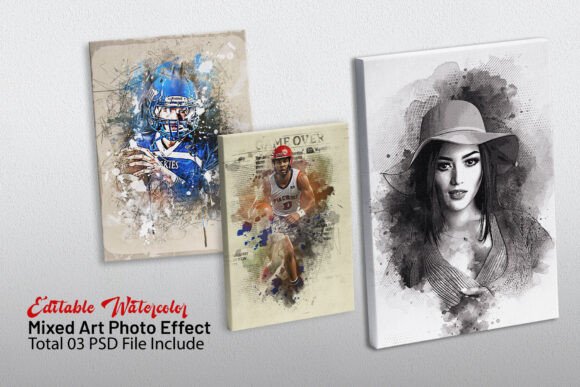
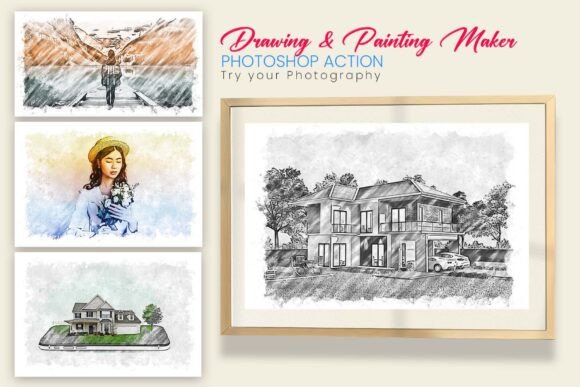
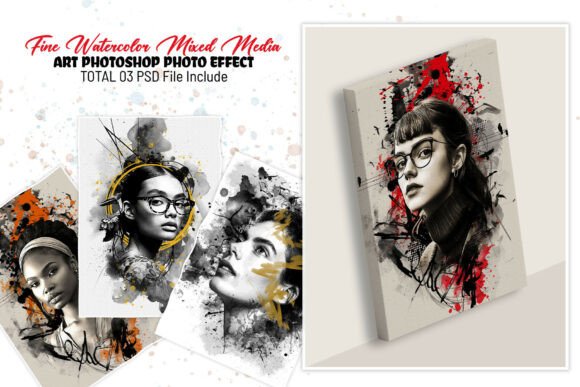
Fine Watercolor Mixed Media Art represents a modern intersection of traditional aesthetics and digital efficiency. It combines the delicate, flowing qualities of watercolor with the dimensional richness of mixed media textures, all within a digital format that’s easy to use and highly adaptable. This form of art has found a strong place in creative workflows, especially for those who want to infuse a handcrafted feel into their digital work without the mess or time investment of physical painting.
For designers, artists, and entrepreneurs, integrating Fine Watercolor Mixed Media Art into a project can serve multiple functions. It can act as a finishing touch to personalize a design or as a foundational element that sets the tone for a visual identity. Whether used in branding, product mockups, home decor, or digital storytelling, this type of art brings a soft yet expressive quality that resonates with audiences seeking authenticity and visual depth.
How Fine Watercolor Mixed Media Art Fits Into Creative Workflows
One of the key strengths of Fine Watercolor Mixed Media Art is its adaptability across different stages of a creative or business process. Before a project begins, it can be used to develop mood boards or concept visuals that guide the overall aesthetic. During execution, it can enhance digital assets, from marketing materials to website graphics. After a product or service is launched, it serves as a valuable tool for creating promotional mockups or limited-edition prints that add a premium feel.
For example, a small business owner launching a new line of organic skincare products might use these templates to design elegant packaging mockups. The soft watercolor backgrounds paired with textured overlays can evoke a natural, artisanal feel—perfect for aligning with the brand’s values. Similarly, a freelance photographer might apply these effects to selected portraits to offer clients a unique print option that stands out from standard photo finishes.
Using Watercolor Mixed Media Templates Without Design Expertise
A major advantage of using digital templates for Fine Watercolor Mixed Media Art is that they require no advanced design skills. Thanks to tools like Smart Objects in Photoshop, users can simply insert their images into pre-designed layers and adjust as needed. This makes the process accessible to non-designers while still delivering professional results.
Each template typically includes a layered PSD file, allowing for full customization. Users can modify color tones, overlay textures, or blend multiple effects to suit their specific needs. For those who are new to Photoshop, most template packages come with a help guide or video tutorial to walk through the steps of inserting and adjusting images. This removes the learning curve and lets users focus on creativity rather than technical execution.
Workflow Integration Tips
- Batch Processing: If you're applying the same watercolor effect to multiple images, use Photoshop’s batch processing feature to automate the task and maintain consistency.
- Layer Management: Keep your layers well-organized. Rename and group them logically to make future edits easier, especially when collaborating with others.
- Color Matching: Use adjustment layers to harmonize the colors in your photo with the watercolor tones in the template, ensuring a seamless blend.
Compatibility and Usability Across Platforms
Fine Watercolor Mixed Media Art templates are designed with compatibility in mind. They work within standard design software like Adobe Photoshop and often export to a variety of file formats including JPEG, PNG, and TIFF. This flexibility ensures they can be used across different platforms—from social media posts to print-on-demand services like Etsy or Shopify stores.
When integrating these templates into web-based platforms or e-commerce stores, it’s important to test how the final output appears on different devices. High-resolution templates will render well on desktop displays but may need optimization for mobile viewing. Tools like image compression plugins or adaptive design frameworks can help maintain quality without sacrificing performance.
Quality Control and Long-Term Use
Like any digital asset, maintaining quality over time is essential. Save original layered files separately from final exports to preserve editing flexibility. If you plan to reuse templates across different projects, consider building a digital library with naming conventions and tags that make retrieval easy.
When sourcing templates, choose reputable providers who offer updates and support. This ensures compatibility with newer software versions and access to improvements or additional features as they become available. Regularly reviewing and updating your template collection keeps your creative toolkit fresh and efficient.
Practical Use Cases Across Industries
Interior designers can use these templates to create stylized room visualizations for client presentations. Educators might integrate them into lesson materials to add visual appeal and engagement. Bloggers and content creators can elevate their visual storytelling by applying watercolor effects to featured images or quote graphics.
For freelancers and small business owners, offering custom artwork using these templates can be a value-added service. A wedding photographer, for instance, might offer a special print package featuring watercolor-enhanced portraits. An online retailer could use the templates to create seasonal banners or promotional graphics that reflect a curated, artistic style.
Conclusion: Making Fine Watercolor Mixed Media Art Part of Your Routine
Incorporating Fine Watercolor Mixed Media Art into your creative or business workflow doesn’t require artistic expertise or hours of practice. With the right templates and a clear understanding of how to use them, you can bring a touch of elegance and originality to your visual content. Whether you're designing for personal use, client work, or commercial applications, these tools offer a streamlined way to produce high-quality, expressive results.
By treating these templates as part of your regular creative toolkit—rather than one-off design elements—you can maintain a consistent visual language across projects. This not only saves time but also strengthens brand identity and creative output over time. As you become more familiar with the templates, you’ll likely find new and innovative ways to apply them, making Fine Watercolor Mixed Media Art a versatile and enduring part of your process.